Every Galápagos excursion requires a licensed naturalist guide by law. Here’s what that actually means for your trip, and the park rules every guest needs to know.
Unlike a lot of destinations where a guide is optional, Galápagos National Park requires every visitor to be accompanied by a licensed naturalist guide at any protected site — no exceptions, no independent exploring. Once you understand why, it makes the whole structure of a charter trip make a lot more sense.
Why Guides Are Mandatory
Since the 1970s, Galápagos National Park has required certified naturalist guides for all visitors, specifically to protect the islands’ fragile, largely endemic ecosystem. Guides aren’t just there to point out wildlife — they’re trained and legally responsible for ensuring visitors follow park rules, and they report back to park authorities on trail conditions and any environmental concerns they observe. Every guide is licensed by the National Park Directorate, and by law, one guide can be responsible for a maximum of 16 visitors at a time — most private charters staff two guides, which keeps groups genuinely small and personal.
What This Means for Your Charter
- All excursions are guided — no independent wandering, even within your own private charter group. This isn’t a restriction unique to charters; it applies to every visitor to the islands.
- Your itinerary follows an approved schedule. Certain visitor sites have daily visitor limits, and licensed vessels are assigned specific visiting windows — part of why itineraries are planned in advance rather than fully improvised.
- Guides are genuinely knowledgeable, not just rule-enforcers. Most visitors find their naturalist guide becomes one of the best parts of the trip — deep knowledge of the wildlife, geology, and conservation history that goes well beyond what you’d get exploring alone.
Key Park Rules Every Guest Should Know
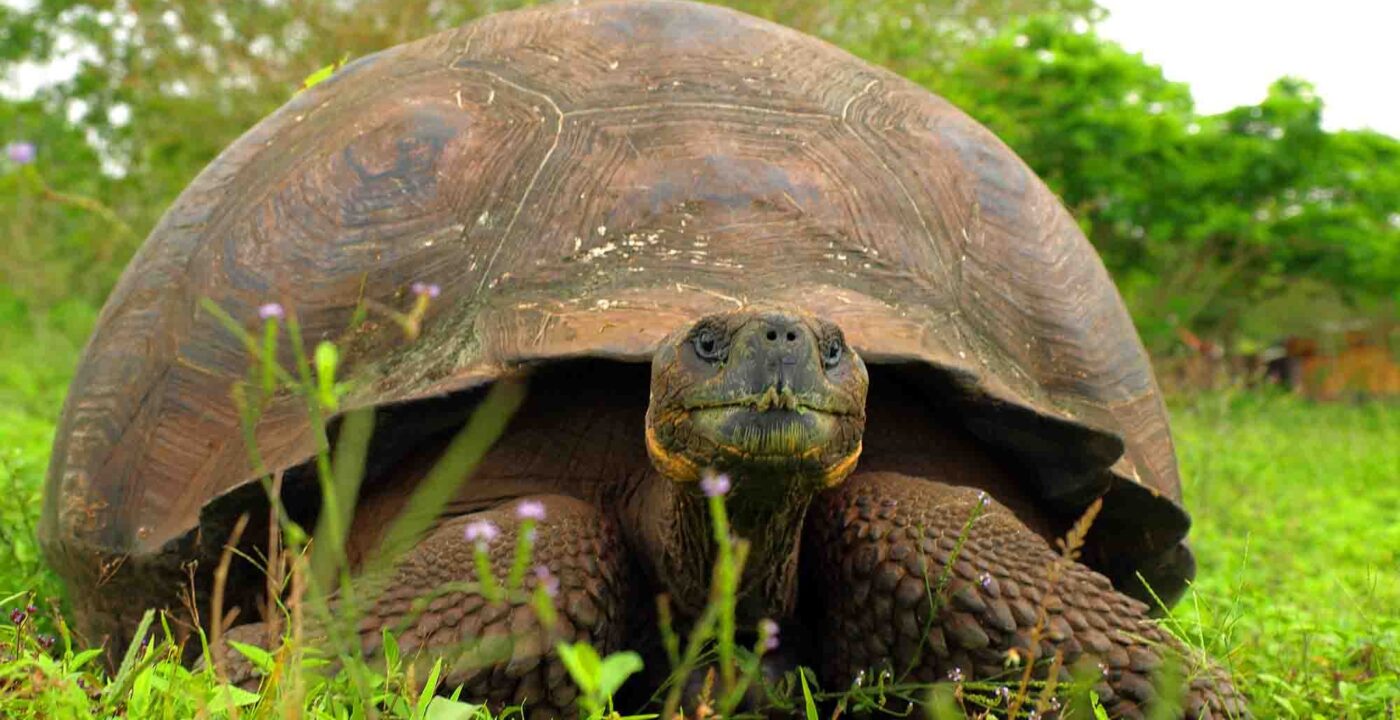
- Maintain at least six feet (two meters) of distance from wildlife at all times, even if an animal approaches you — a common and genuinely delightful occurrence in the Galápagos, given how little the wildlife fears humans.
- Never feed wildlife, which can cause real health problems for animals unaccustomed to processed food.
- Stay on marked trails at all visitor sites.
- No flash photography when photographing wildlife.
- Reef-safe sunscreen is required for any water activity — standard sunscreen can damage the reef ecosystem.
- Camping is only allowed in a small number of pre-authorized areas, and requires advance permission directly from the park.
Why This Actually Enhances the Trip
For families especially, having a licensed expert leading every excursion means you’re not trying to identify wildlife or navigate terrain on your own with kids in tow. Guides tailor their pace and explanations to the group, and for a multigenerational charter, having two guides available (a common setup on a 16- to 20-guest vessel) often means the option to split into a more active group and a gentler-paced group for a given excursion.
The Bottom Line
The naturalist guide requirement isn’t a bureaucratic inconvenience — it’s a core part of what’s kept the Galápagos ecosystem intact for visitors to actually experience. Understanding the rules ahead of time (distance from wildlife, no flash photography, reef-safe sunscreen) means you’ll spend less time thinking about compliance and more time actually enjoying one of the most singular wildlife destinations on the planet.
Have questions about how guiding works on a specific charter you’re considering? Reach out to us directly and we’re happy to walk you through it.
This article is part of the Galápagos family travel guide. Start there for villas, planning, and every related guide in this destination.