If you’ve searched anything about Ecuador travel safety recently, you’ve probably landed on a headline that sounds alarming — states of emergency, security advisories, warnings about parts of the country. It’s understandable if that made you pause before booking a family trip. Here’s the honest, unpanicked breakdown of what those advisories actually mean for a Galapagos family vacation.
The Mainland and the Islands Are Two Different Pictures
This is the single most important thing to understand: government travel advisories consistently separate mainland Ecuador from the Galapagos Islands, and for good reason. Areas like Guayaquil and parts of the coast have dealt with real organized crime concerns in recent years. The Galapagos Islands are treated as a distinct, much lower-risk zone in nearly every official advisory — travelers there are typically told only to take normal, everyday precautions, the same advice you’d get for most family-friendly destinations.
If your itinerary is airport-to-Galapagos with minimal time in mainland cities, your risk profile looks very different from someone spending a week in Guayaquil.
What “Normal Precautions” Actually Looks Like
In practice, this means the same commonsense habits you’d use in any unfamiliar destination:
- Keep valuables out of sight and use your villa’s or hotel’s safe
- Stick to licensed tour operators and transportation rather than informal, unmarked options
- Be mindful after dark in town centers, as you would anywhere
- Keep an eye on kids around docks, boats, and wildlife (more on that below)
Nothing about the Galapagos requires the kind of heightened vigilance you’d need in a high-crime destination.
The Safety Consideration That Actually Matters Here
The real safety conversation for the Galapagos isn’t crime — it’s healthcare access. This is worth taking seriously: medical facilities on the islands are limited, specialist care isn’t available locally, and a serious medical emergency may require evacuation to the mainland, which can take time since there’s no air ambulance permanently based on the islands. This is exactly why travel insurance with medical evacuation coverage is strongly recommended for any Galapagos trip, family or otherwise — not because the islands are dangerous, but because help for a serious issue is genuinely further away than it would be at home.
Bring an adequate supply of any prescription medications and a basic first-aid kit, since pharmacy options are limited outside the main towns.
Wildlife Safety With Kids
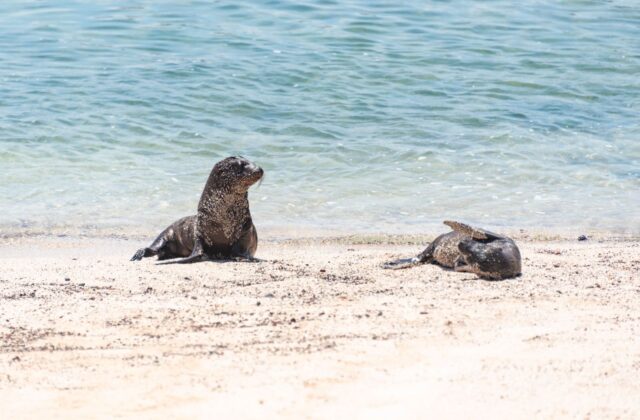
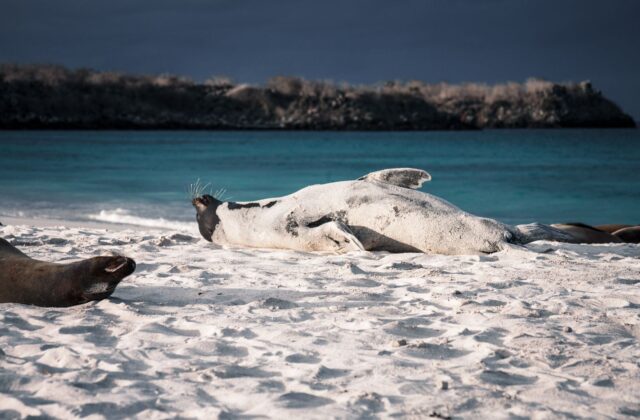
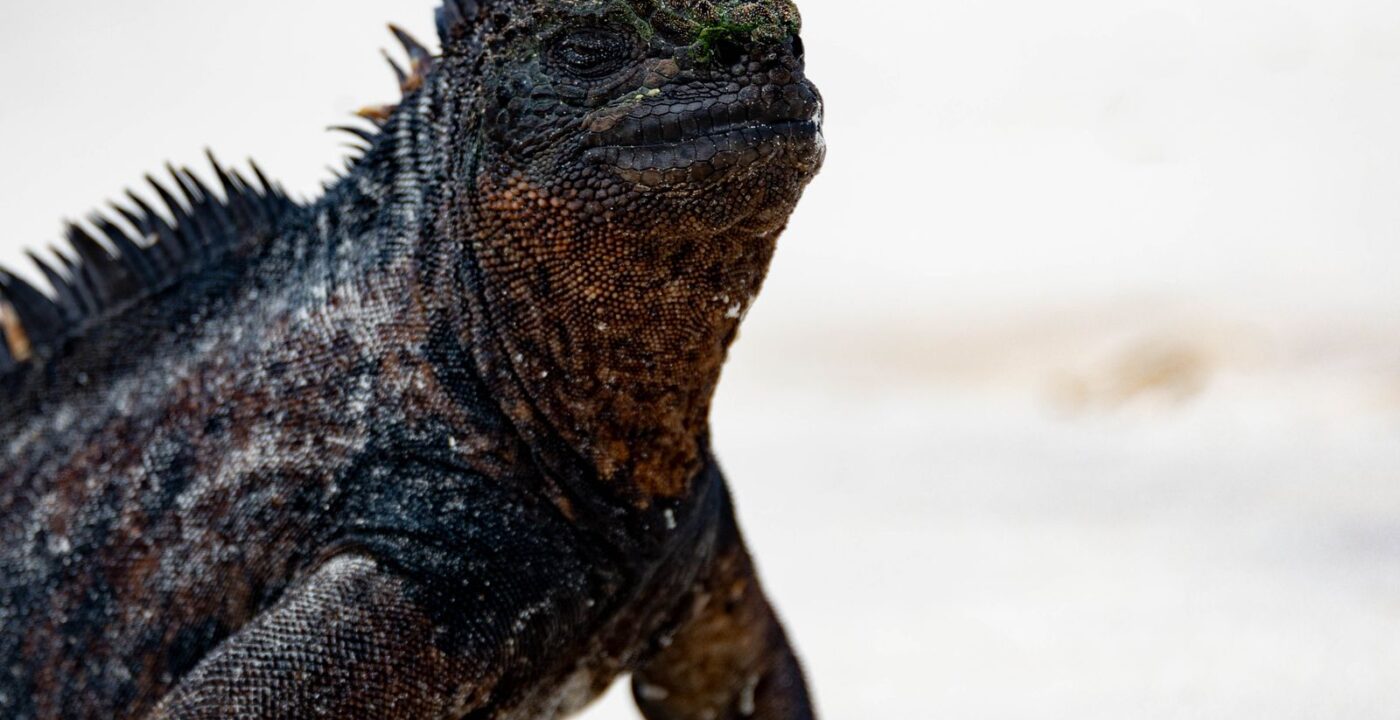
The islands are famous for animals that show zero fear of humans — sea lions napping on benches, marine iguanas on the sidewalk, blue-footed boobies a few feet from the trail. This is a genuine safety topic for families: guides consistently enforce a two-meter distance rule from wildlife, and it’s worth reinforcing with kids before you arrive that these are wild animals, not petting-zoo animals, however calm they look.
Water and Sun
Standard beach-vacation precautions apply and matter more here given the equatorial sun: reef-safe sunscreen, reapplied often, sun hats for kids, and supervision around any snorkeling or wading, even in the calm, protected coves recommended for young children.
The Bottom Line
The Galapagos Islands are consistently rated among the safer destinations in Latin America, and government advisories reflect that by carving the islands out from mainland Ecuador’s broader security concerns. The precautions that actually matter for a family trip here are less about crime and more about healthcare access, wildlife distance, and sun protection — all very manageable with a little planning.
If it would help, we’re glad to walk you through exactly what a family-friendly itinerary that keeps you clear of any advisory areas looks like. What’s your biggest safety concern going into this trip? Let us know in the comments.
This post reflects general travel safety guidance. Always check current advisories from your home country’s government (such as the U.S. State Department or Canada’s travel advisories) before finalizing travel plans, as conditions can change.
This article is part of the Galápagos family travel guide. Start there for villas, planning, and every related guide in this destination.